Rust: How a Solo Player Survives, Raids and Gets Revenge on a Zerg Server
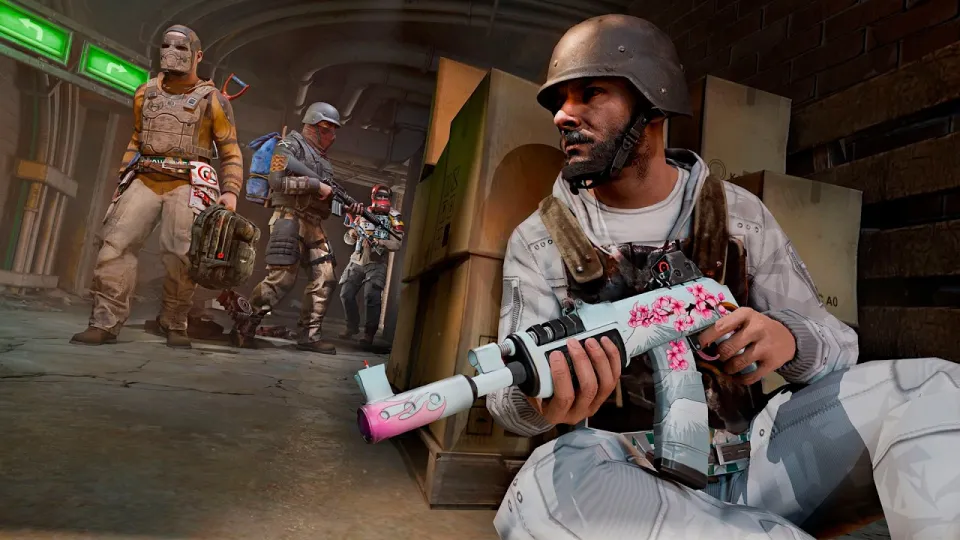
Video: THE SOLO MENACE – Rust
Want articles like this for your own video to promote it on YouTube and Google? Order them through the Telegram bot @sat_sit_bot. Articles with your video embedded are written and posted by the bot itself — on popular topical sites (no ads). Free trial — 50 articles.
· based on the channel SPiiCY
Key takeaways
- SPiiCY's solo Rust episode "THE SOLO MENACE" was published on 24 August 2026 and shows one player operating alone against groups and zergs.
- Rust servers regularly hit 600 population, which makes quiet roaming routes and off-peak farming essential for a solo.
- A solo wipe hinges on three things: a compact base, a fast progression path to Tier 2, and never carrying more gear than you can lose.
- The main link in the video, rseasy.com/spiicy, leads to a RustEasy bonus offer; base design tutorials sit behind SPiiCY's Patreon.
- The video's comment section is dominated by requests for the base build and praise for the solo format rather than clan gameplay.
Solo Rust is a survival game within a survival game: one player, no team to trade loot with, no clan to cover a raid, and every fight potentially costing a full kit. The formula that works is a small, cheap base, a fast path to Tier 2 weapons, disciplined farming at off-peak hours, and revenge raids that target the enemy's weakest moment rather than their strongest. SPiiCY's solo episode "THE SOLO MENACE" is a practical demonstration of that loop, and the bonus offer tied to the video is available through the RustEasy sign-up page.
What solo Rust actually demands in 2026
A solo player on a high-population server is outnumbered in every fight, so the win condition is not winning fights but keeping the cost of losing low. Servers that regularly show 600 players online mean constant traffic around monuments, roads and popular base spots, and a lone player who farms the same routes as a ten-man group will be found and rolled.
The practical rules that separate a surviving solo from a wiped one:
- Build small and build boring — a 1x2 or 2x1 with an airlock and a hidden loot room draws far less attention than a compound.
- Rush Tier 2 — a workbench, a few hundred scrap and a revolver or custom SMG turn a farmer into a threat much earlier than a full rifle kit.
- Farm in short, low-risk bursts and bank loot immediately instead of carrying it across the map.
- Keep a backup kit stashed so a single death does not end the wipe.
- Learn one monument route perfectly rather than five badly.
SPiiCY's run leans on exactly this discipline: the fun in a solo wipe comes from outlasting groups that have more guns but less patience.
Base design: why the small base wins
The best solo base in Rust is the one nobody bothers raiding, and viewers of the episode immediately asked where the build comes from. A compact base with a single entrance, a fake loot room and a honeycomb layer of cheap walls costs the defender almost nothing and forces a raider to spend explosives for uncertain profit.
Key design choices for a solo:
- Footprint: keep it to a handful of foundations so the upkeep stays affordable after the first days of wipe.
- Doors: airlock plus at least one extra door before the loot room; every door is a second explosive charge.
- Decoy storage: a visible room with low-value loot absorbs a raid's first breach.
- Location: away from roads, monuments and the spawn beach, but close enough to a Tier 1 monument for quick scrap runs.
- Upkeep buffer: stock the tool cupboard with enough resources for several days so a break from the game does not decay the base.
Detailed walkthroughs of the layouts SPiiCY uses are collected on his Patreon membership page, which is where the base tutorial requests in the comments are pointed.
Recovering from a loss and hitting back
A solo wipe is defined by what happens after a death, not before it. Losing a full kit to a roaming group is normal; the recovery plan is what keeps the wipe alive. A stashed backup kit, a nearby sleeping bag and a quick respawn let a solo re-gear within minutes and return to the same area before the enemy has moved on.
Revenge raids work best when they follow three rules:
- Scout first. Watch the target base for a while and note when its owners are offline or busy elsewhere.
- Raid cheap. A solo cannot match a clan's explosive budget, so target doors, soft-side walls and unupgraded sections rather than the core.
- Take what matters. Tools, scrap, components and explosives are worth more than guns you cannot craft ammo for — and griefing the loot room hurts a group more than killing its members.
In the episode, the retaliation arc is the emotional core: a single player picking the right moment to punish a larger group is the classic Rust underdog story, and it is what the audience responds to most.
Performance and tools that give a solo an edge
Frame rate decides fights in Rust, and a solo cannot afford stutter during a 1v3. Lowering shadow and water quality, capping unnecessary effects and using a performance tool such as the one promoted in the video (Hypertune) can meaningfully raise FPS on mid-range hardware. One viewer reported roughly doubling their frame rate after switching, which is the kind of gain that changes how a fight feels more than any single weapon.
Beyond FPS, the useful solo toolkit is small: a clear keybind setup for quick healing, a habit of checking the map for group activity, and a recording setup so mistakes can be reviewed later. Rust is a game of information, and a solo who knows where the zerg is roaming has already won half the engagement.
Questions solo players keep asking
The most common doubts around solo play are not about aim but about time and fairness. Players want to know whether a solo can compete on a 600-population server, how much time a wipe really needs, and whether the bases shown in videos are practical without a team to farm for them.
The honest answer is that solo Rust is a time-management game. A player with two focused hours can progress further than one who wanders for six, because scrap per minute and survival per trip matter more than raw playtime. The bases in the episode are deliberately cheap for exactly this reason — they are built to be replaced, not defended forever.
All links from the video
- RustEasy bonus and sign-up: https://rseasy.com/spiicy
- Base design tutorials and Patreon membership: https://www.patreon.com/c/spiicyrust/membership
- Patreon join page: https://www.patreon.com/join/spiicyrust
- Hypertune FPS tool: https://hptn.gg/spiicy
- SPiiCY Discord community: http://discord.gg/HZjW3RYMGA
Final thoughts on the solo menace
Solo Rust rewards patience over aggression, and SPiiCY's episode makes that case better than any tutorial: small base, fast Tier 2, stashed kits, and a revenge raid timed for the enemy's weakest hour. The channel SPiiCY built this breakdown around a full solo wipe, and the reaction shows how much players want that format — requests for the base build and for more solo content dominate the discussion. Anyone planning a solo run in 2026 should start with the fundamentals above, then grab the RustEasy bonus via SPiiCY's link before the next wipe.
Questions & answers
Can a solo player really compete on a server with 600 players online?
Yes, but not by fighting fair. A solo competes by building cheap, farming in short bursts, avoiding the routes groups use, and only taking fights where the numbers are even or better. On high-population servers the goal is to stay uninteresting until you have the gear to be dangerous.
How much time does a solo Rust wipe require?
Less than most players assume, if the time is focused. Two hours of efficient farming and a Tier 2 rush will outperform six hours of wandering, and a stashed backup kit means one death does not erase the session. Playing at off-peak hours stretches the same effort further.
Is the base from the video practical without a team?
Yes — the layouts shown are deliberately compact and cheap so a single player can afford the upkeep and the honeycomb. The trade-off is storage space and comfort, not security, and a decoy loot room does most of the defensive work.
Does a higher frame rate actually matter in Rust PvP?
It matters more than most gear choices. Stable, high FPS keeps recoil control and tracking consistent during close fights, and viewers have reported large gains from performance tools. On mid-range hardware, lowering shadows, water and effects is the cheapest upgrade available.
Source: THE SOLO MENACE – Rust · Markdown version